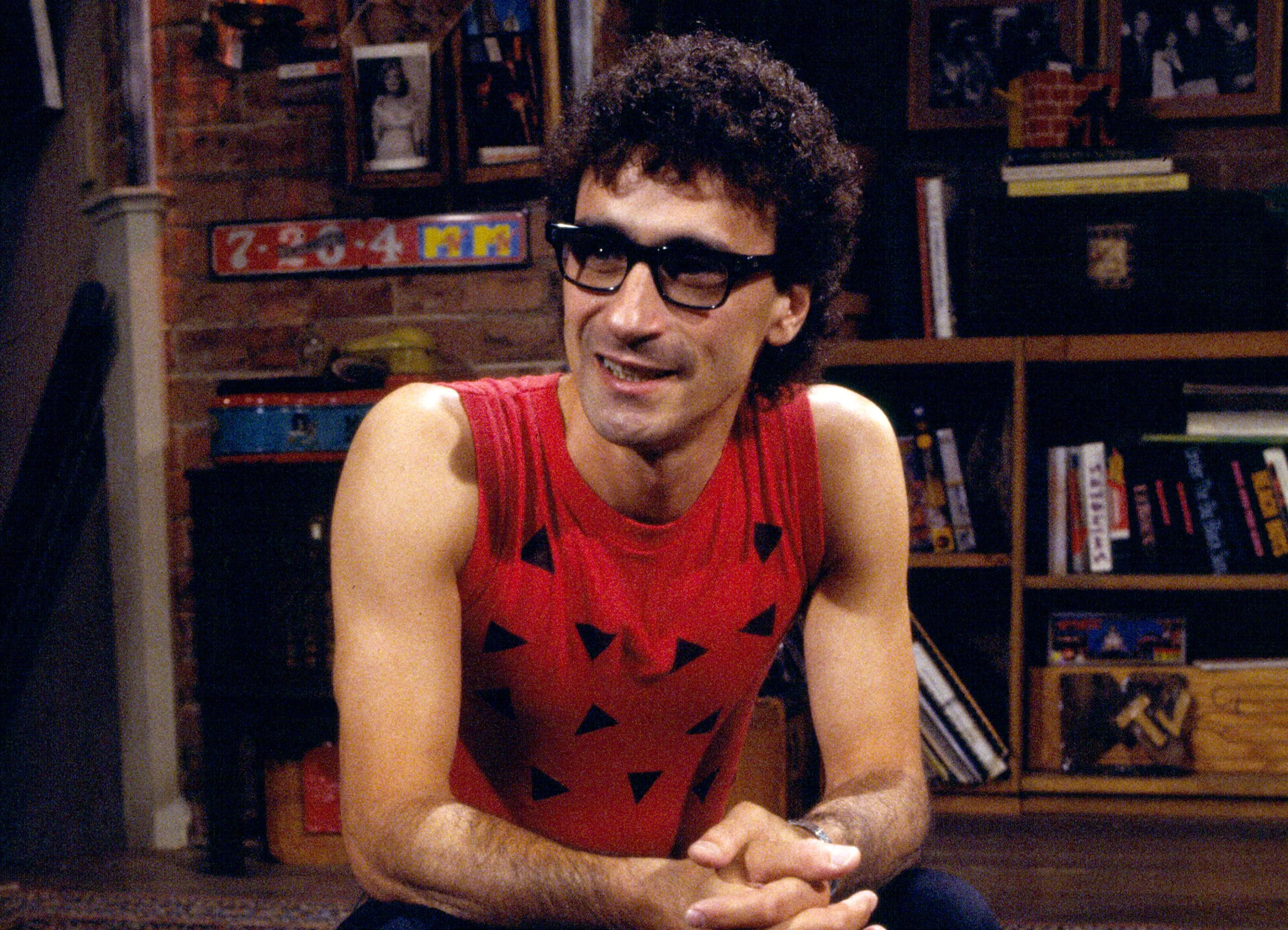
In 2015, when it was time to induct musicians into the Pittsburgh Rock N Roll Legends, the only question was who would be the second musician added.
Because in an industry rife with egos, emotions and opinions, there was no doubt in anyone’s mind that Donnie Iris would be the first. Thirty years removed from his biggest years Donnie still reigned as King Cool even as he had become an inspiration to a whole new generation of Pittsburgh musicians.
Donnie Iris passed away on October 26, 2026, less than a month after his last, triumphant appearance opening Pittsburgh’s next generation concert venue, Citizens Live at the Wylie. The Wylie is a magnificent celebration of the many musical icons that played The Hill and influenced Dominic Ierace growing up. Donnie absorbed those styles, added contemporary influences from soul to disco to power rock and created his own distinctive voice before handing it off to the next generation.
Tutored and inspired by his mother, Carrie DiCola Ierace, who herself had been a big band singer, Donnie was a stage success at every age of his life. He was a wedding singer at the age of five, won a refrigerator for placing second on a Philadelphia TV teen show and sang in a few bands while at Slippery Rock State that would eventually morph into the Jaggerz. By 1970 the Jaggerz were already a seasoned act with a release on the label of legendary Philadelphia record producers Gamble and Huff. Their second label, Kama Sutra Records, struck radio gold with the Dominic Ierace-written hit ‘The Rapper’, which topped record charts in the spring of 1970 and brought The Jaggerz to national stardom and even greater local club dominance.
The Jaggerz would break up in 1975. Dominic Ierace changed his name to Donnie Iris and was briefly a part of Wild Cherry in their later years. Donnie would then collaborate with another of Pittsburgh’s greatest voices, B.E. Taylor, as a folk duo. But it was his collaboration with Wild Cherry bandmate Mark Avsec that would lead to his greatest success and acclaim.
If you wind Donnie’s career backwards it’s easy to believe his success was a predictable result of his steady growth as an artist.
But the late 1970s were watershed years for rock ’n roll. The first wave arena acts had begun to dim as Punk and New Wave rose up against their bloated excess. Radio stations fell under corporate mandates, playlists shrank and band management became a greed art.
And Donnie Iris, a one-hit wonder last seen in a disco/funk band was now a part-time recording engineer at Jeree’s Records in New Brighton. His friends and Beaver County neighbors The Granati Brothers were recording for A&M Records and forced Jeree’s to update to 24-track to accommodate. In the studio off-hours Donnie and Mark were recording demos, using the new multitrack recorders to stack vocals and harmonies some 60-thick. One-night Hermie Granati came in at midnight to begin recording and saw a sweating and emaciated Donnie almost passed out. ‘We just finished laying down the overdubs for ‘Ah! Leah!’ Donnie whispered. As they experimented they called in bassist Albritton McClain and guitarist Marty Lee Hoenes to join the sessions. Donnie’s delicate, textured harmonies paired against the muscular power chords of Hoenes created a unique sound that fell outside of classic rock, deliciously near power pop but different from either.
‘Ah! Leah!,’ a product of those long late-night marathons, opens with a five drum burst, then shifts immediately into overdrive before stopping for into the delicate choral round, all as the energy and tension of two doomed lovers builds underneath. Just as the song reaches its crescendo Donnie re-enters with the scream that would forever come to define him.
Donnie and Mark sent the ‘Ah! Leah!’ demo to every major label but they all passed. One fateful evening WDVE Program Director Dave Lange and WDVE DJ Jimmy Roach were at the Granati house. Hermie Granati remembers: “We called Donnie and urged him to come up to the G house with the record and meet Jimmy and Dave Lange. We retired to my music hut and played ‘Leah’. The looks on their faces said it all. Jimmy immediately said ‘I’m putting this on the air tomorrow.’”
Lange resisted, saying they should wait until the label presented it to the station. Jimmy insisted, saying it was a damn important record and that he had to go over Lange’s head on this one. Jimmy did play it the next day and the phones lit up. DVE became the first station to play it.”
Pittsburgh radio, already beginning to embrace the golden age of the Iron City Houserockers, The Silencers, The B.E. Taylor Group, Norman Nardini and the Tigers and The Granati Brothers fell in love with ‘Ah! Leah!’ and the treasure lode of songs from the Back On The Streets. ‘Ah! Leah!’ would peak at 29 on Billboard and become a national FM staple. One of Donnie’s shows in Toronto prompted a critic to proclaim him the new ‘king of cool’ which became the title of his second album, King Cool.
Donnie’s success would take he and his band, The Cruisers, out of Pittsburgh for great stretches of time. A bogus legal suit over authorship of ‘Ah! Leah!’ stole time and energy from Donnie and would result in Mark Avsec becoming a copyright attorney and Donnie opening a mortgage business.
But every Pittsburgh Donnie Iris concert was an occasion and a festival of love. In the 1990’s a radio skit by WDVE jocks Scott Paulson and Jim Krenn, Pants n’at, rocketed Dah-nie to crazy heights of adoration and affection.
On September 28, 2026, Donnie Iris, against all odds, willed himself onto the Wylie stage for one final show. He had come straight from a cancer radiation treatment. With a minimum of words he sat down on a chair. He looked frail and small. His longtime band, The Cruisers, began to play.
Donnie grabbed the mic, pulling it to him. And then he sang. That voice, which had played to crowds since the age of five, suddenly filled the cavernous hall. The audience, knowing every word, sang along, lifting their Donnie, embracing their Donnie, shouting undying love to their Donnie.
We knew. Donnie knew.
A week later Donnie announced he was retiring from performing.
A month later, Donnie Iris was gone.
None of what I’ve written, however, captures the true essence of Donnie Iris. In the end, every person who cheered Donnie, met Donnie or had any interaction with Donnie says the same thing: he was the nicest guy.
And that is the enduring, undeniable legacy of Donnie Iris.