
The Pittsburgh Review of Books is excited to announce the inaugural season for a new program of public engagement to be run by the magazine that will be known as the Steel City Institute for Social Research.
Intended to be a forum for discussion of critical and theoretical texts open to any interested adult, the SCISR takes its name from the Frankfurt Institute for Social Research, where critical theorists like Theodor Adorno, Max Horkheimer, and Walter Benjamin engaged with pressing cultural issues, as well as similar adult education programs throughout the United States, such as the Brooklyn Institute for Social Research in New York and the Inter Chicago Circle for Experimental Critical Theory.
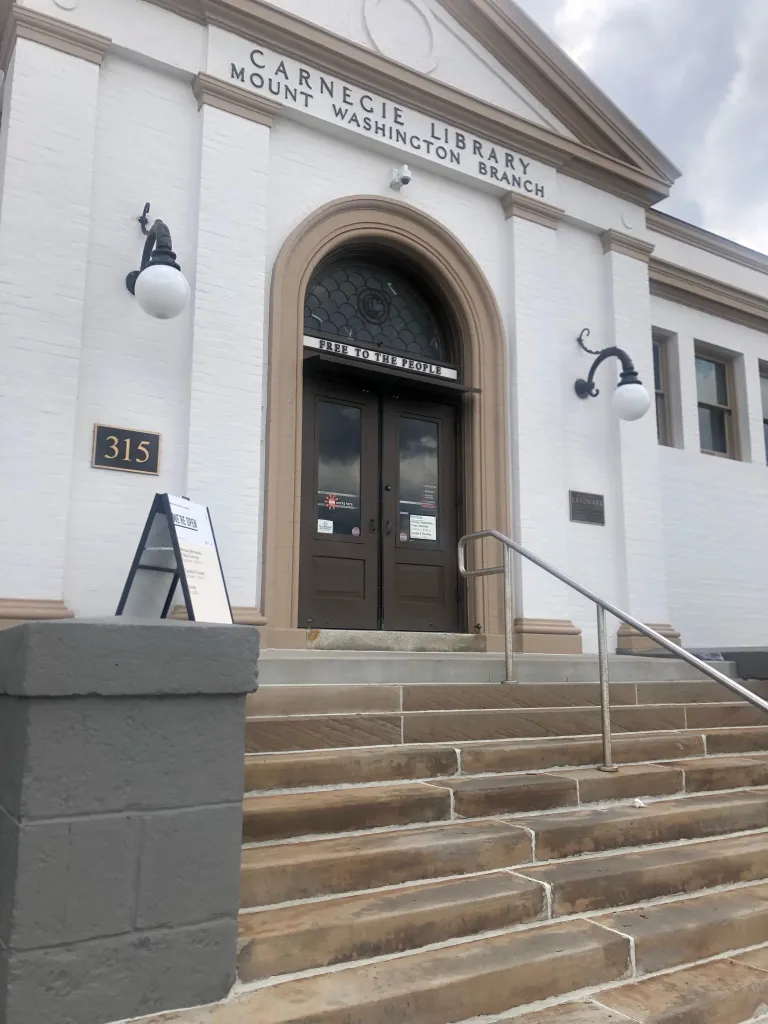
Our inaugural season will feature four seminars led by scholars on a variety of subjects from witchcraft to artificial intelligence that are to be held at neighborhood branches of the Carnegie Library of Pittsburgh. Short readings will be made available beforehand in both print and PDF. SCISR does not require formal enrollment, attendance at all seminars, or tuition, but rather only an interest in coming and discussing ideas with other interested Pittsburghers. The full schedule is below:
Session 1 (Autumn): SCISR presents Ecstasies and Witches
October 17, 2026 at 1PM at CLP – South Side
Join us for a free lecture about witchcraft and Italian scholar Carlo Ginzburg, the creator of micro-histories. Patrons are invited to read the provided essay and participate in lively discussion with Ed Simon, editor of the Pittsburgh Review of Books.
Session 2 (Winter): SCISR presents Gertrude Stein’s Pittsburgh Modernism
February 3, 2027 at 1PM at CLP – Allegheny (North Side)
Join West Liberty University professor Cecillia Konchar Farr and Carnegie Mellon University faculty Rochel Gasson for a critical discussion of Gertrude Stein’s monumental modernist novel Making of Americans.
Session 3 (Spring): SCISR presents Shakespeare and Race
Time and Location TBA
Join Carnegie Mellon University English Professor Stephen Wittek for a reading and discussion about William Shakespeare and the complicated legacies of race and colonialism in plays such as The Tempest.
Session 4 (Summer): SCISR presents Artificial Intelligence and Reading
Time and Location TBA
Join scholar Sarah Valentine, author of Decoding the Devil: Black Women Codebreakers and the Secret War Against Stalin’s Bomb, for a discussion about artificial intelligence and its impact on reading, writing, and literature.