A roundup of the most engaging recent pieces on the web read by the Pittsburgh Review of Books this week.
“A Diehard Drinker Accidentally Quits” from The New Yorker
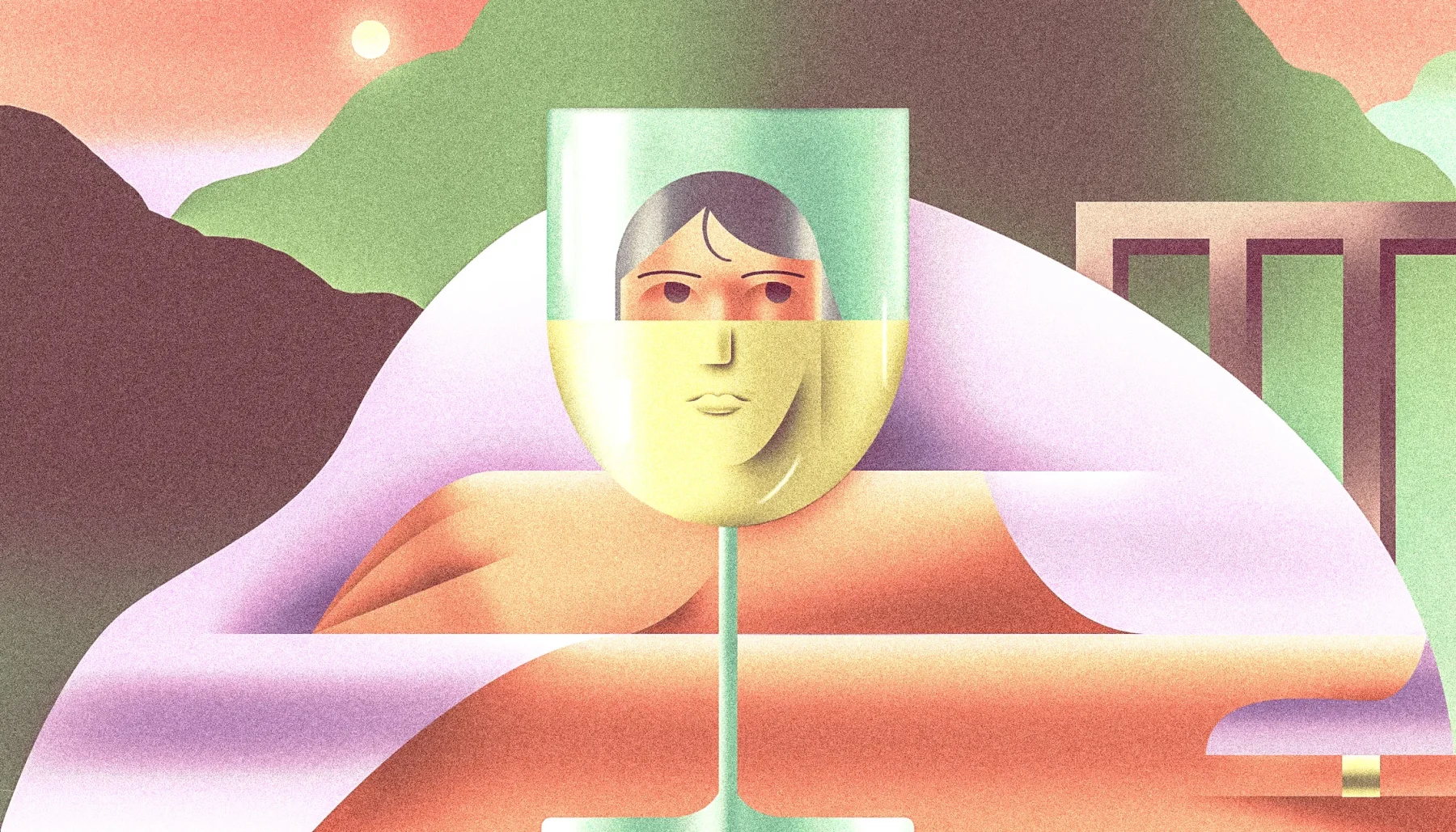
“The cultural discourse around avoiding alcohol never convinced me—and why sober up when the world is burning? Then life intervened.”
“Cape Neurotic” from The Los Angeles Review of Books
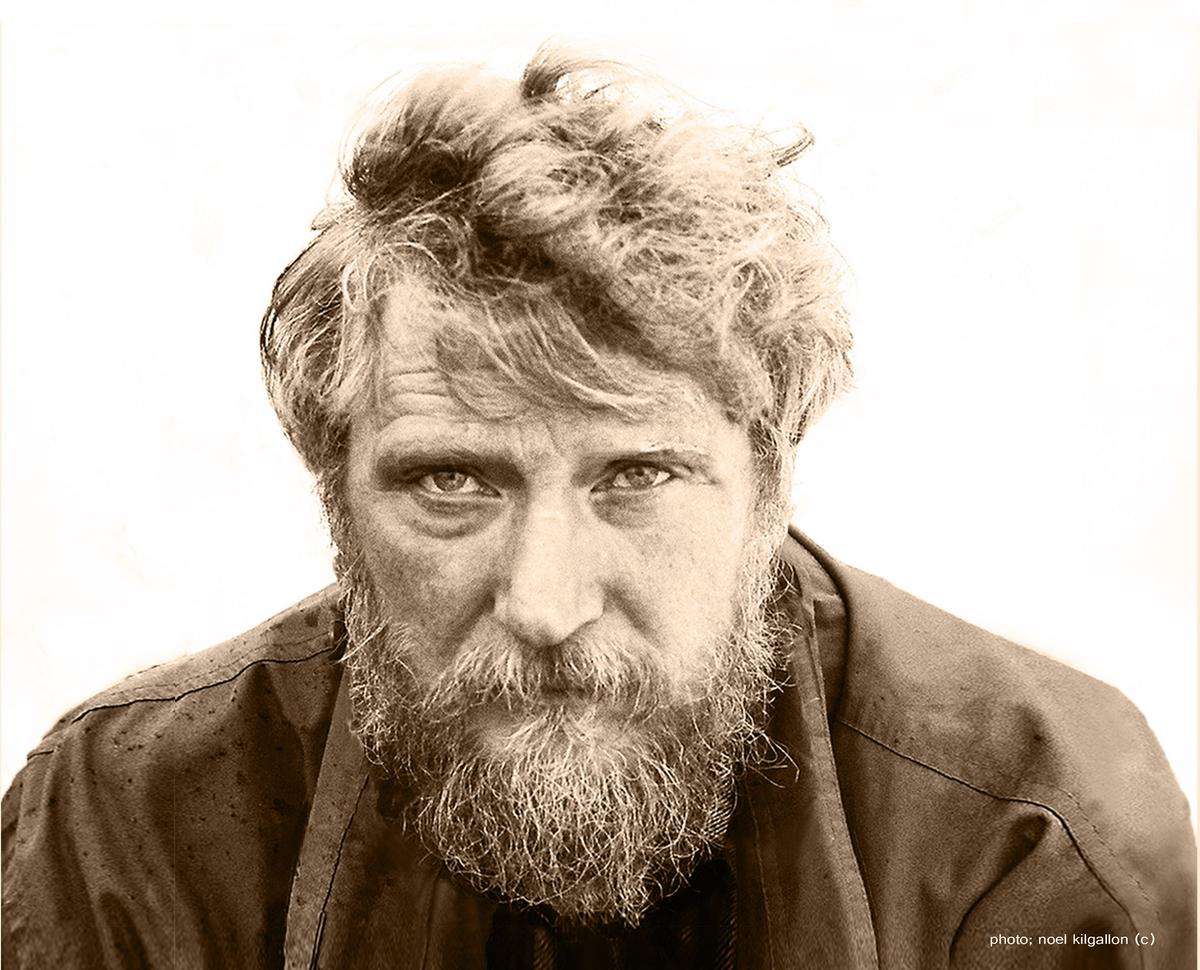
“Dermot was sober then, having emerged from a particularly hellish period that included a stay in the local mental hospital and doses of Librium.”
“The people’s atheist” from Aeon
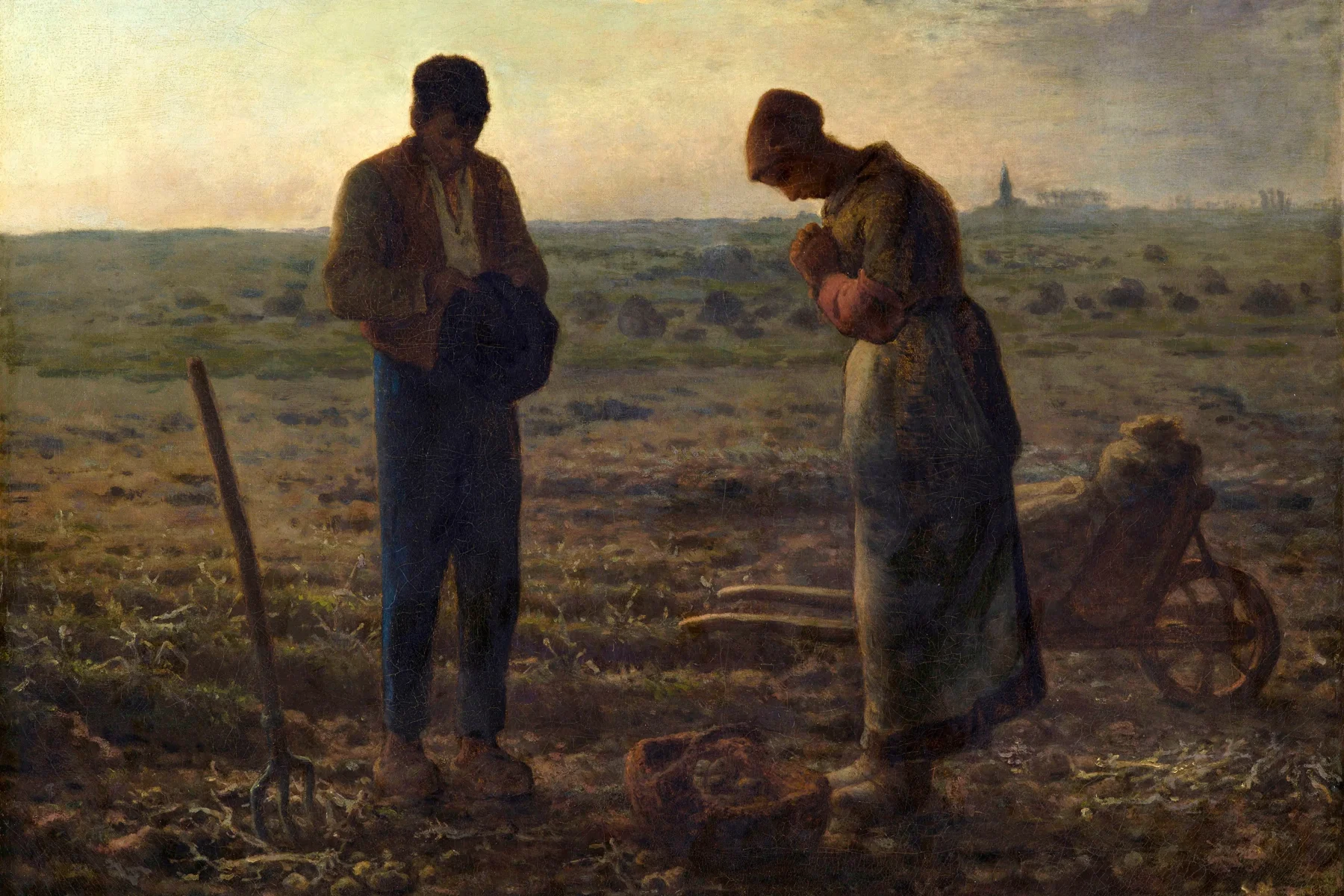
“This tiny scene, minute on the scale of European history, already contains Meslier’s central idea, the kernel of his political philosophy. Power does not hold only by force, taxation or law. It holds because it gets itself blessed.”
“The Gods Are Still Crazy” from equator
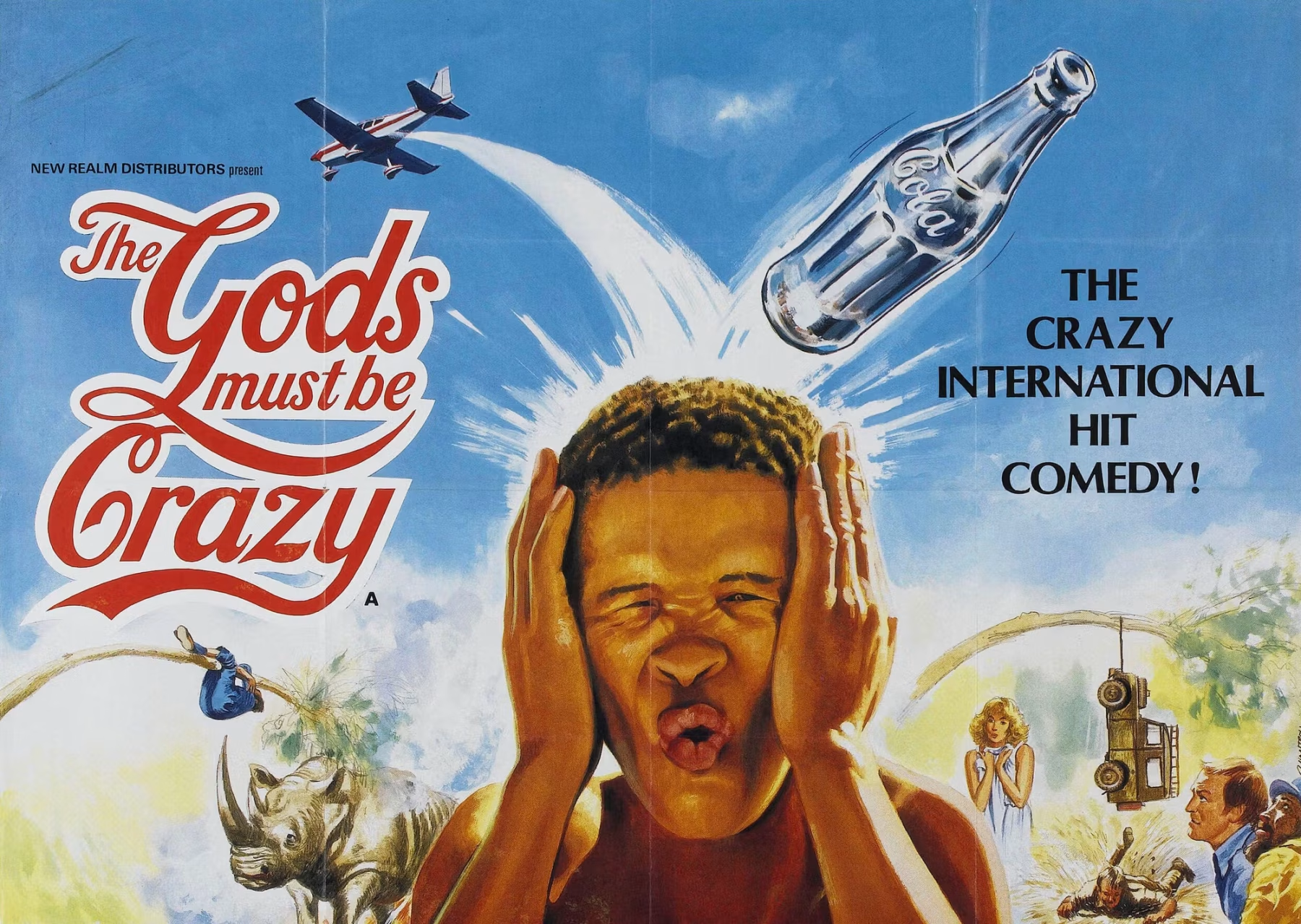
“For many in the West, it is the only movie with an African protagonist they’ve ever seen. It’s nearly impossible, today, to describe the plot in an inoffensive way.”
“Why does everything feel so joyless? Welcome to the age of decadence without pleasure” from The Guardian
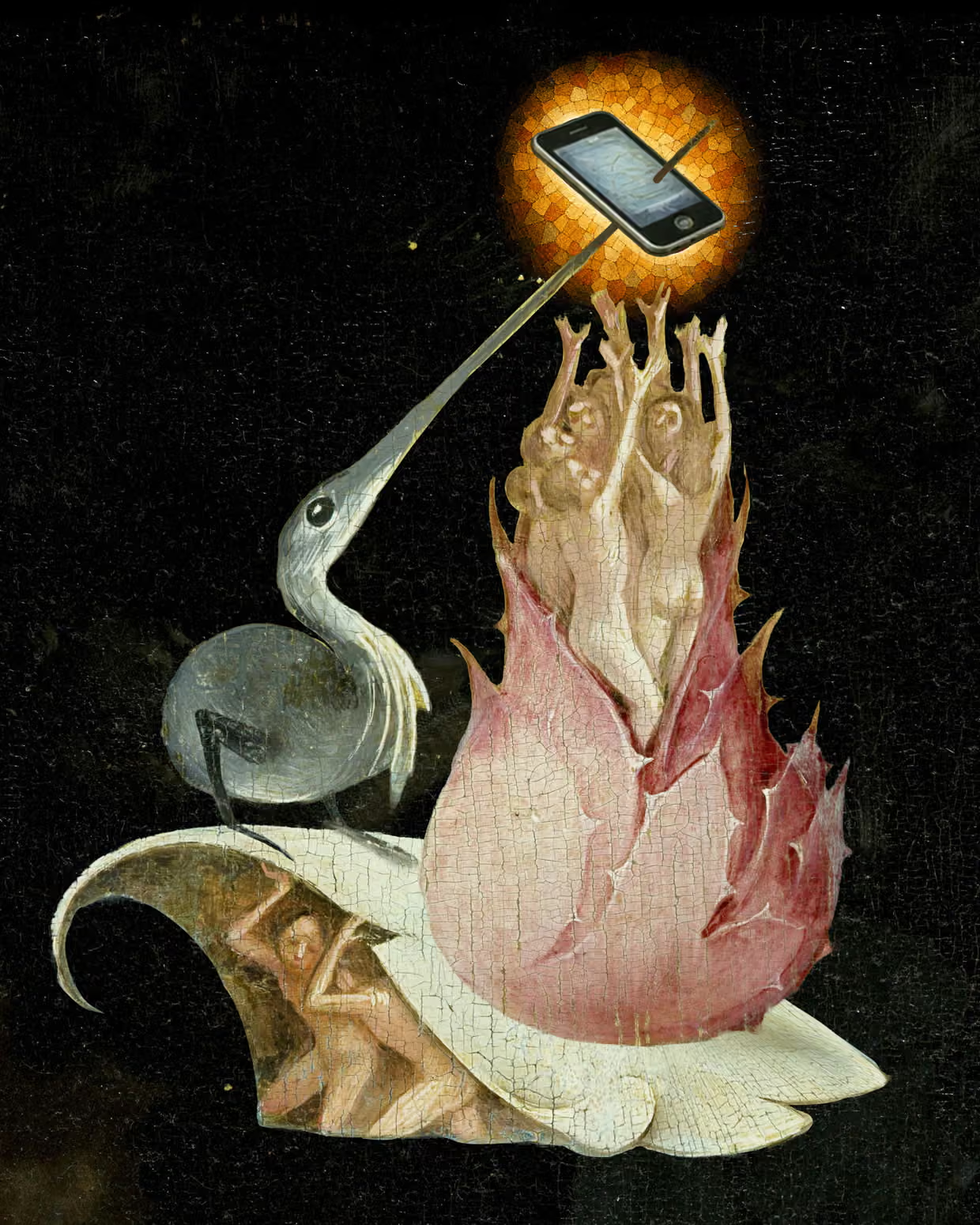
“For anyone with an Internet connection and a little discretionary income, the contemporary moment offers a superabundance of seductive distractions. Why then the pervasive mood of emptiness? Why are so many at once overstimulated and bored?”
“On Reckoning With the Literary World’s Unacknowledged Class System” from LitHub

“When I walk into a room full of writers, I’m often struck by the sense that I don’t belong. I’m an immigrant, first-generation to college; my father was a welder. Swearing was the third language we spoke at home—after English and Greek—and my grandmother’s favorite word rhymed with ‘swat.’”
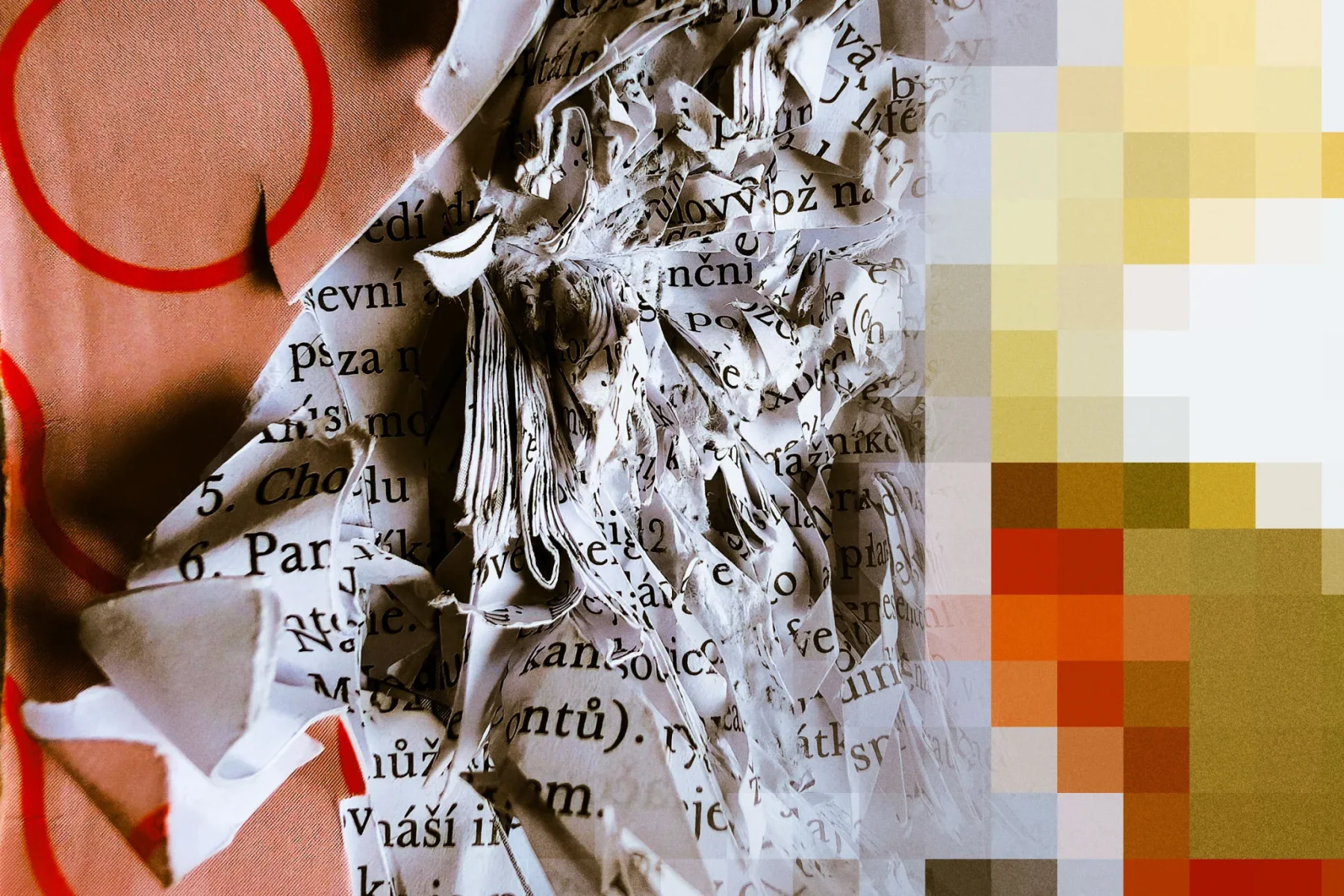
“To those building large language models, books are nothing more than fodder to be devoured en masse before being spit out like fishbone.”
“More Typos, Fewer Em Dashes: Writers Are Creating an Anti-AI ‘Literary Counterculture’” from Wired
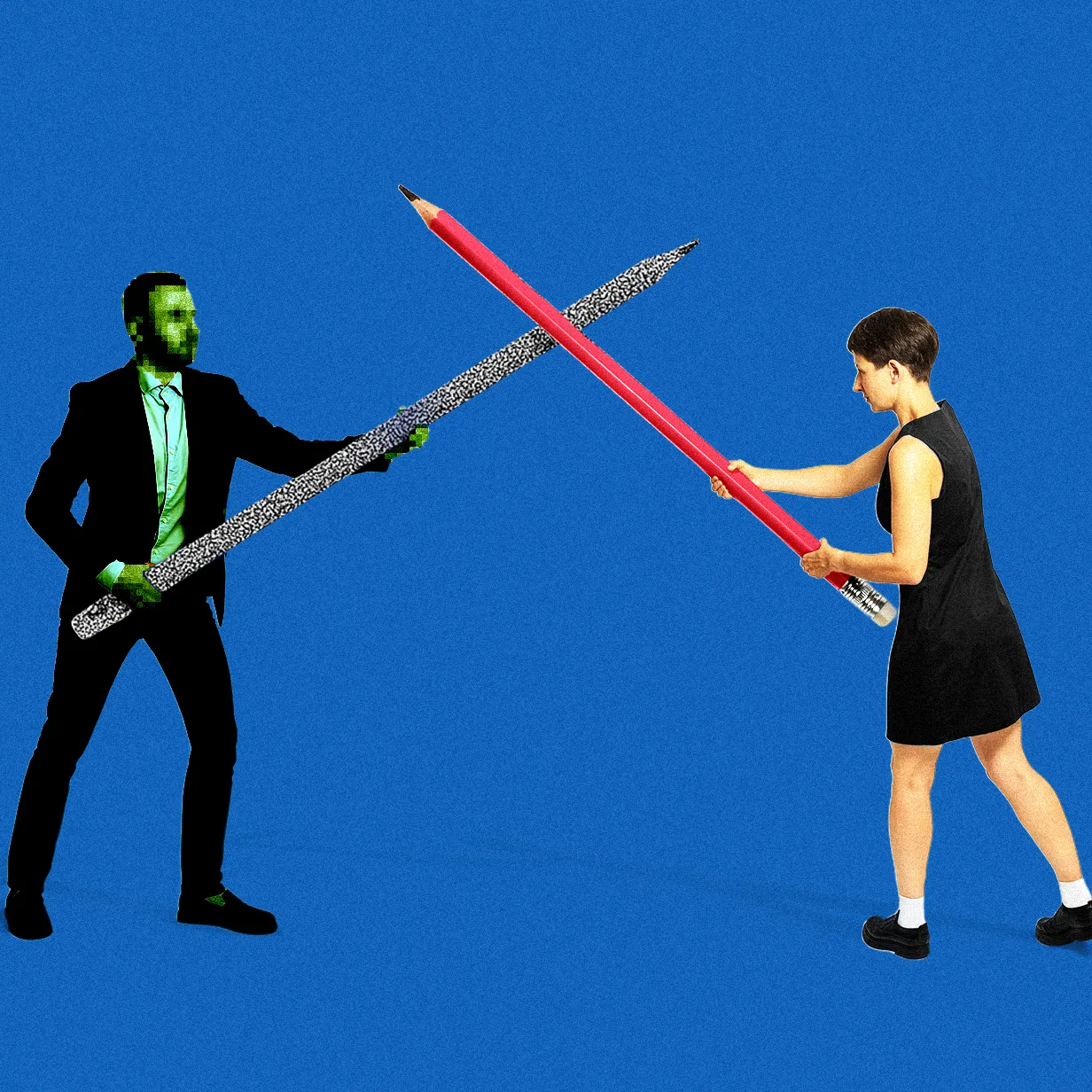
“Since the widespread adoption of LLMs, Robson says her writing has fundamentally changed for the better, becoming a deliberate inverse of what she sees as AI’s default lack of style.”